
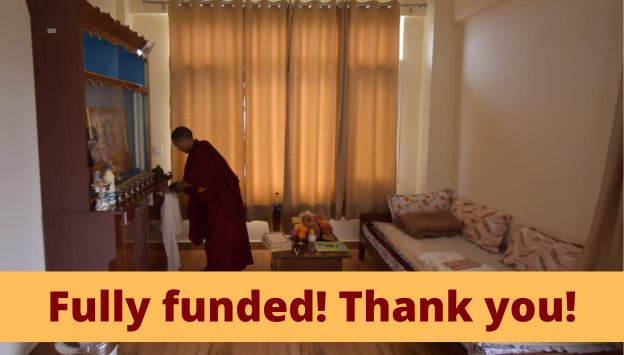
GREAT NEWS! THIS PROJECT HAS BEEN FULLY FUNDED! THANK YOU! FOR THE FULL REPORT WITH PHOTOS SEE THIS PAGE.
The new retreat center at Shugsep Nunnery and Institute is built, and thanks to your help it is now also fully furnished. The completed retreat center will elevate aspirations, set higher standards, and strengthen the confidence of the next generation of nuns.
On March 30, 2026, eight nuns began their retreat following an initial ritual ceremony led by Rinpoche Jigme Namgyal from Tso Pema at Rewalsar. He also conducted the first three days of basic teachings on retreat practice for the nuns entering retreat.
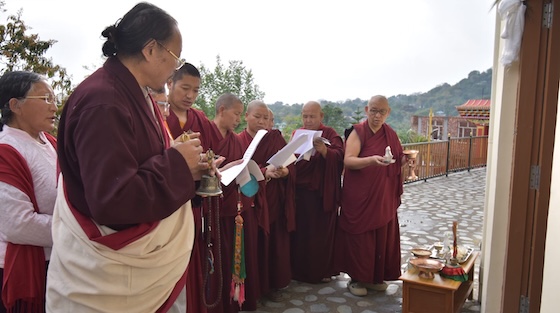
Part of the ceremony for the nuns entering retreat on March 30, 2026 at the new retreat center at Shugsep Nunnery. Until now, the nuns had to travel to Nepal or Tso Pema to practice retreat.
Now, for the first time in its history in exile, the nunnery has a purpose-built facility where senior nuns can enter long-term retreat within their own community. This achievement provides continuity for the nuns’ path of teaching while fortifying the belief that their years of rigorous training culminate in meaningful opportunities for spiritual growth and integration.
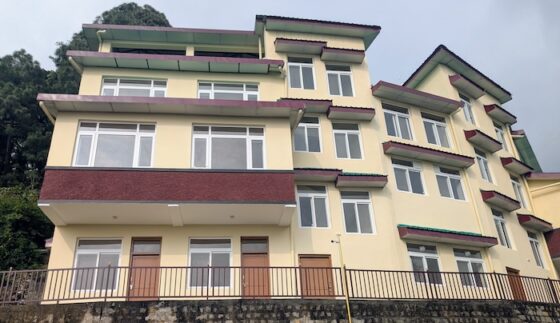
The retreat center makes visible a clear path of progression: from study to retreat to teaching. This opportunity was previously limited because retreats had to be undertaken elsewhere. A lasting impact is the inspiration provided to younger nuns.
The most enduring benefit is the strengthening of teaching capacity within the nunnery. Many of the nuns who will use the retreat center are holders of the Loponma degree, the highest degree in their tradition. Following their retreats, they will be fully qualified to guide junior nuns and contribute to the wider community. This creates a sustainable cycle of study, retreat, and teaching that secures Shugsep’s role as a respected Nyingma institution.
Here is a video made by the nuns explaining the importance of practicing retreat.
The completed retreat center provides accommodation for up to eight nuns at a time. Each of the eight self-contained rooms has been designed to meet the practical and spiritual needs of the nuns.
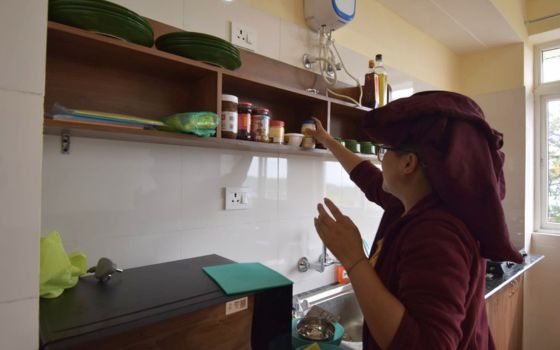
Inside the kitchen at Shugsep retreat center. The first eight nuns entered retreat on March 30, 2026.
They include a private toilet and washroom, storage space, a small kitchenette counter, and sufficient room for both study and prostrations, which are an integral part of their daily practice.
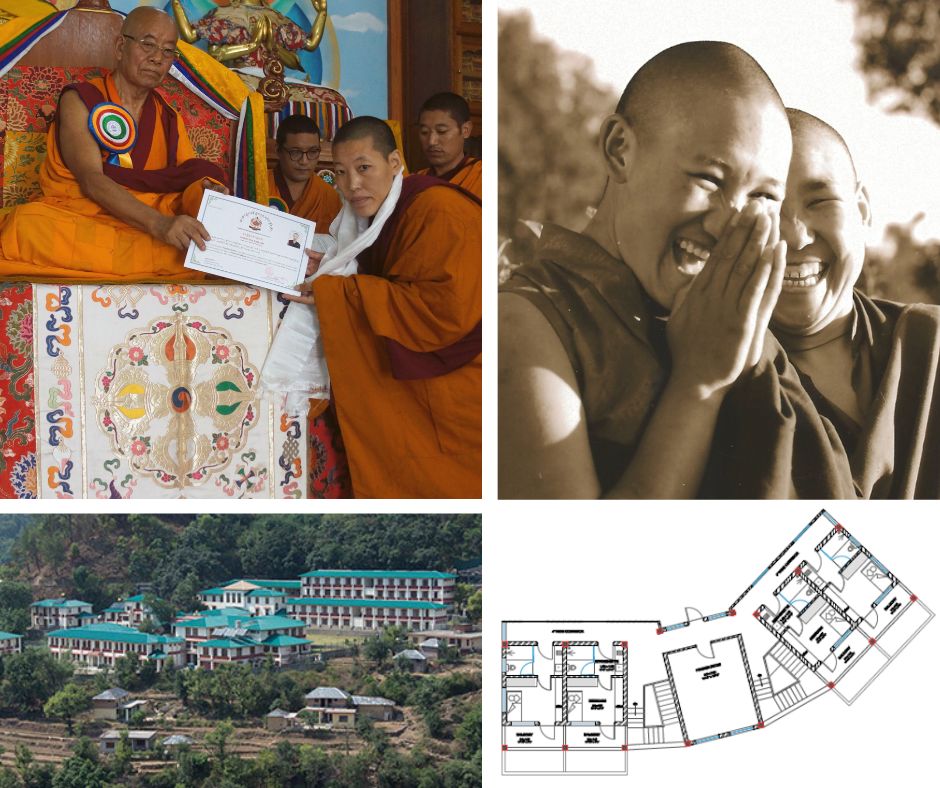
Shugsep Nunnery was re-established in India after many nuns escaped from Tibet. The senior nuns are the teachers and leaders of the future and need a place where they can practice retreat.
In addition to the individual retreat rooms, the building contains a communal prayer hall where nuns in retreat can gather periodically for group prayer, teachings, and guidance from visiting teachers. There is also a kitchen/dining hall that provides space for nuns to warm food provided by the nunnery kitchen and to make light meals and tea. Finally, a dining table and chairs have been provided, thanks to your generosity, allowing the nuns to eat together if they wish.
Why Retreats Are Necessary
Spiritual retreats are considered essential for the development of one’s personal practice. Generally, after completing their philosophical studies, the nuns will go into retreat for an extended period of one, two, or three years to allow sufficient time for reflection, prayer, and meditation to internalize what they have studied.
However, not all their time is spent in isolation. Some sessions are undertaken as a group and so they needed a prayer hall where they can receive instructions from an outside teacher, do prayer sessions together, and have the opportunity to talk among themselves to clear away doubts and concerns and to strengthen their practice. Monks and nuns who have completed a 3-year retreat are recognized as having achieved something worthy of respect and this also greatly enhances the significance of the nunnery. These nuns act as guides for the community and are an inspiration to the younger nuns.