Tag Archives: Sherab Choeling

Nuns at Sherab Choeling Grateful for Better Living Conditions

Preventing Cold and Mold at Sherab Choeling

In the spring of 2025, the nuns at Sherab Choeling Nunnery in the high-altitude Spiti Valley requested assistance to insulate the ground floor of their nunnery, to protect against cold, dampness, and mold.

Images showing one Head nun, Ani Budith La, shows the state of her room at the nunnery. Like the other 24 rooms, it suffers from visible mold, peeling walls, and harsh cold during winter.

A “before” picture. Head nun, Ani Butith, shows the state of her room at the nunnery. Like the other 24 rooms, it suffers from visible mold and peeling walls. The rooms were very cold  during winter.

The existing living conditions were posing a serious health hazard to the nuns. Five nuns had already fallen ill due to the damp and mold.

We are happy to report that, thanks to 44 generous donors, the insulation and wood panelling project at Sherab Choeling Nunnery has now been completed. Here is a report with photos and a sweet video made by the nuns.
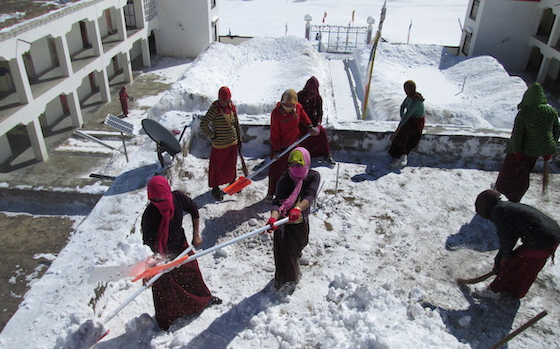
Tibetan Buddhist nuns at Sherab Choeling clear the roof from snow

An archival photo showing the nuns clearing snow off the roof of the nunnery. The nunnery is located at an altitude of approximately 12,500 feet (3,800 meters) and can be cut off in winter. The cold and damp were impacting the health and well-being of the nuns.

Background to the Mold and Cold Mitigation Project

Sherab Choeling Nunnery is home to approximately 60 nuns who live and study in extremely harsh climatic conditions, especially during winter when temperatures fall well below freezing and heavy snowfall often isolates the region.

The objective of this project was to address severe cold, dampness and mold issues within the nunnery buildings to improve the health and living conditions of the resident nuns.

The nunnery buildings were constructed using traditional mud and local materials. While this is culturally appropriate in the region, the aging structures developed significant damp issues over time which encouraged the growth of mold on the interior walls.
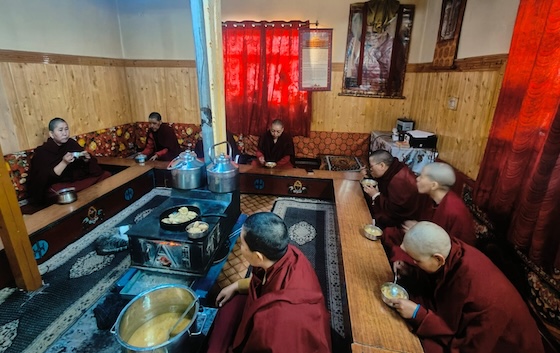
Kitchen at Sherab Choeling after wood panelling

The kitchen and dining area at the nunnery was severely damaged by dampness, especially in the corners. This not only affected hygiene but also made the space difficult to maintain. Now this area has new insulation and wood panelling and is much more comfortable and healthy for the nuns.

Poor insulation against the extreme cold and persistent moisture retention led to unhealthy living conditions, and several nuns developed health problems, including joint pain, knee and back problems, and increased physical discomfort during the winter months, which impacted their ability to carry out their daily tasks.

Due to extreme winter weather and frequent road closures, the nuns found it difficult to remain in Spiti during the peak winter months. For the past few years, they have been temporarily relocating to Hamirpur, where the Spiti community generously provided hostel accommodation until the snow cleared.
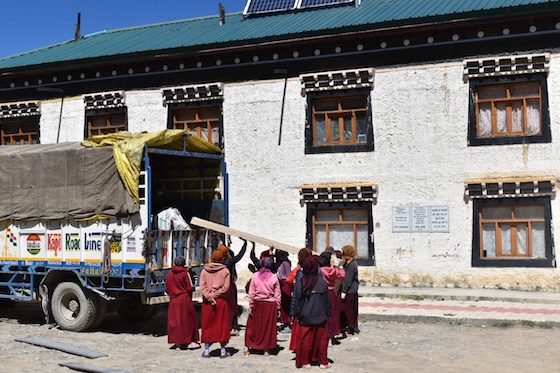
nuns unload wood for panelling project at Sherab Choeling

The nuns unload wood for panelling project at Sherab Choeling. The major project took many months to complete and is already having a profound impact on the well-being of the nuns.

Your Generosity in Action

Despite the challenging location, the work went smoothly. Fortunately, this winter did not bring heavy snowfall, which allowed the timber wood panelling work to continue without interruption.

The following areas have now been fully completed with wood panelling:
— The nuns’ residences
— The kitchen and dining area
— The temple/prayer hall
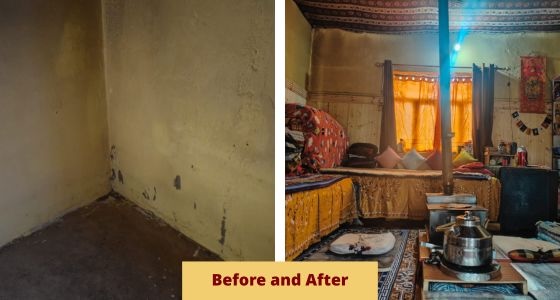
before and after Sherab Choelingbefore and after Sherab Choeling

Before and after. One of the nuns’ shared rooms with the new panelling making the space much warmer and liveable.

Huge Impact on the Nuns’ Lives

The nuns report that the wood panels are helping to keep the rooms warmer. They also reduce dampness and prevent mold from growing because black foam was placed between the wall and the wooden panels. This method is commonly practiced by people in the Spiti Valley to protect their homes from dampness and mold.
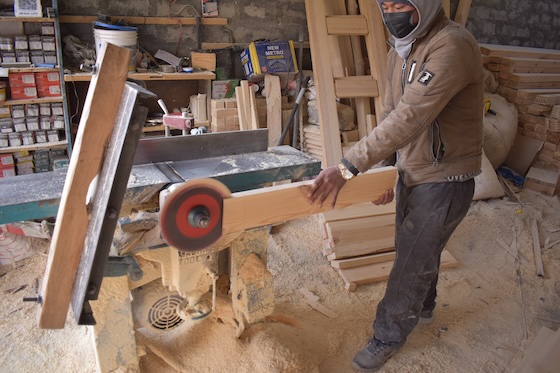
A carpenter making wood panelling for Sherab Choeling

A carpenter making wood panelling for Sherab Choeling. The nuns say in their video, “It has truly changed our lives.”

The nuns have expressed great happiness and satisfaction with the completed work. This project marks a meaningful improvement in both their physical well-being and daily living environment.
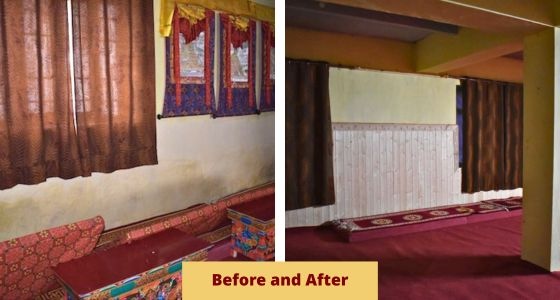
Prayer room and temple at Sherab Choeling before and after panelling

The prayer room and temple room at Sherab Choeling before and after the wood panelling. You can see the damp, moldy walls on the left before the work was done to insulate the room.

The nuns of Sherab Choeling Nunnery extend their heartfelt gratitude to all donors and supporters who made this project possible.

Here’s a video that the nuns made for you. Can’t see the video? Click here.

Ani Butith, who has been in the nunnery for the past 30 years and currently acts as the administrator, conveyed sincere appreciation on behalf of all the nuns. She shared that although they may not be able to repay the generosity materially, they will offer Long Life and Tara prayers at the nunnery dedicated to all donors and supporters as a gesture of their gratitude.
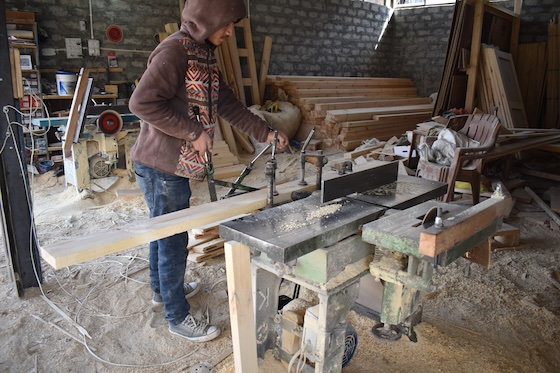
A carpenter prepares wood panelling for the nunnery.

A carpenter prepares wood panellling. The nuns say in their video, “Before this the cold would seep into our bones, leaving many of us with aching backs and knees. But this year is different. Our rooms are finally a sanctuary of warmth.”

Conclusion

The Mold and Cold Mitigation Project through wood paneling at Sherab Choeling Nunnery has been successfully completed. The intervention addresses long-standing issues of dampness, mold, and extreme cold exposure and is expected to bring lasting positive change to the health and daily lives of the nuns.

The nuns say the wood panelling and insulation has truly changed their lives. “Before this, the cold would seep into our bones, leaving many of us with aching backs and knees. But this year is different. Our rooms are finally a sanctuary of warmth. We burn less firewood and, most importantly, the health of our sisters has improved so much.”

Thank you to all the donors and supporters for making this project possible and successful!
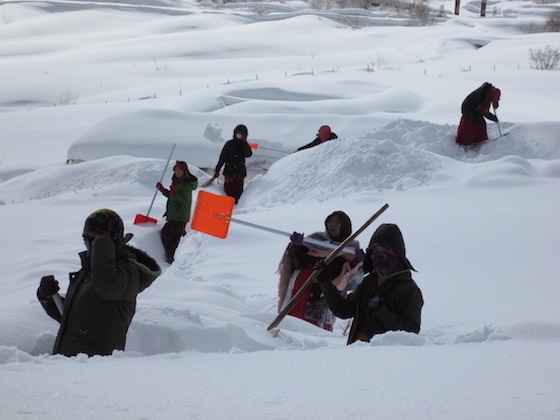
Winter at Sherab Choeling Nunnery in the Indian Himalayas nuns shovelling snow copy

An archival photo of the nuns shovelling a path around the nunnery. Winters in the Spiti Valley can be very severe with temperatures dropping as low as -22ºF or -30ºC.
Four New Projects for Tibetan Nuns

To support Tibetan Buddhist nuns, here are our major projects for 2022. Please help us make them a reality.

Urgent Water Project

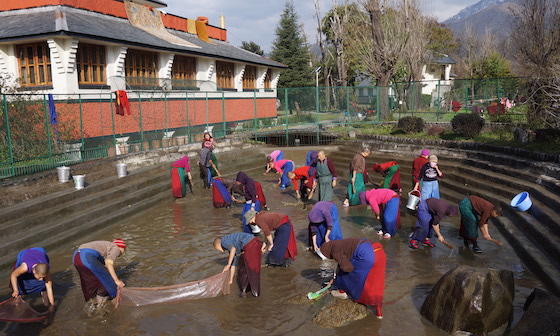
An urgent water project is needed for the nuns and teachers at Dolma Ling Nunnery and Institute. Right now, they don’t have enough water and what little they have is often polluted.

The cost to the nuns is $29,680 and includes the catchment, storage, chlorination, and piping of the water for 400 residents of Dolma Ling. The new water system will serve the entire campus, including the nuns’ housing blocks, the teachers’ housing, the medical clinic, and the guesthouse.

Dolma Ling, water reservoir, water supply for Dolma Ling, clean water for Dolma Ling

Nuns cleaning the water reservoir at Dolma Ling. Please help the nuns have a safe, reliable supply of water!

The new water system will be half funded by the local government and will also benefit 800 residents of the village below the nunnery.

The nuns had been asking for a reliable, safe supply of water for years. The current situation is very difficult to manage and it also strains the relationship of the nunnery with the local people.

Learn more or donate here.

Vehicle for Remote Sherab Choeling Nunnery

The 62 nuns at Sherab Choeling Nunnery need a vehicle to transport people and supplies. The vehicle will also transport nuns for medical care.

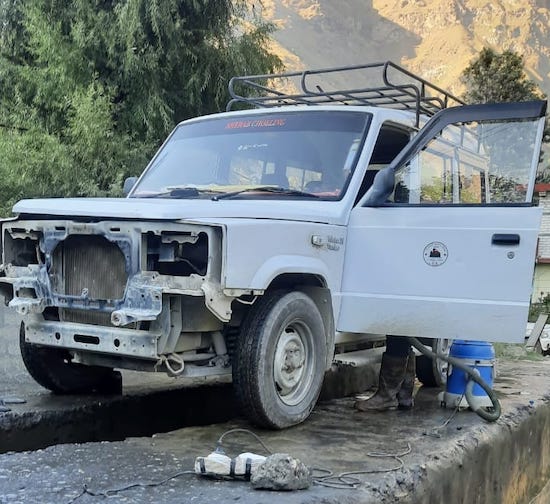
vehicle for remote nunnery, Sherab Choeling Nunnery

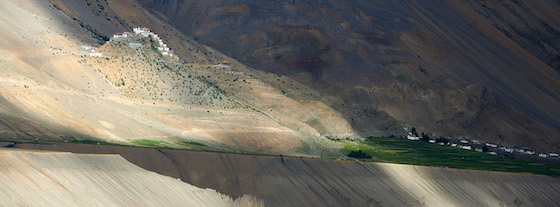
The nuns at Sherab Choeling, a remote nunnery high in the Himalayas, need a vehicle. Photo by Olivier Adam.

Their existing vehicle is very old and it is hard to get parts for repairs. Sherab Choeling is a remote nunnery in the Spiti Valley, high in the Indian Himalayas. The area’s roads are infamous for their landslides, rocks, and bad conditions.

The total cost of the 10-seat, multi-purpose vehicle is $29,500. This includes taxes, registration, insurance, and warranty for repairs.

Learn more or donate here.

Debate Courtyard Extension at Dolma Ling

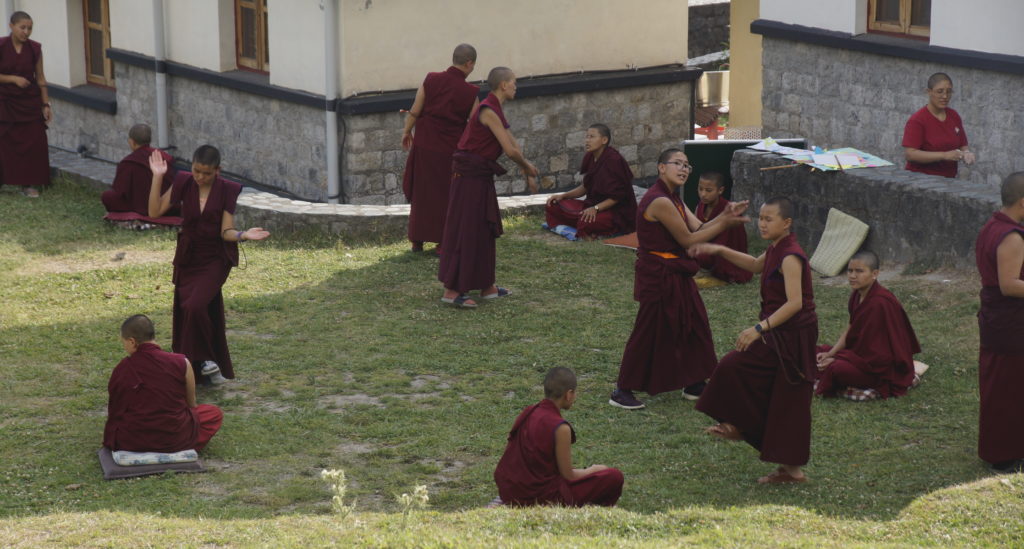
Every day the nuns at Dolma Ling Nunnery and Institute practice monastic debate. The nuns have asked for help to expand the covered area of the debate courtyard.

Tibetan Buddhist nuns debating at Dolma Ling, Tibetan monastic debate, debate courtyard extension

Until recently, Tibetan nuns did not have the opportunity to learn and practice Tibetan Buddhist debate. Now they have opportunity, but lack the protected space.

The debate courtyard lacks enough covered and protected space to accommodate all the nuns. To practice debate, pairs of nuns must spread out. Due to a lack of space, many of the nuns must practice on the lawn under the hot sun and open to the elements.

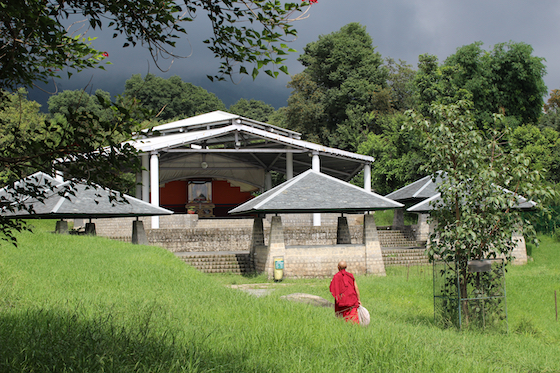
debate courtyard at Dolma Ling

Monsoon clouds loom over the debate courtyard at Dolma Ling. The nuns need your help to increase the protected covered space. Photo courtesy of Mati Bernabei.

Summers are becoming hotter and the monsoon rains stronger. When it rains, the nuns must move to the main hall and the corridors for their daily debate sessions, but these areas are very crowded and restricted.

Monastic debate helps nuns improve their logical thinking and expand their understanding of the texts. Improving the debate facilities at Dolma Ling is also important for the annual month-long debate training session when nuns from multiple nunneries come together to compete in debate.

Learn more or donate here.

10-Seat Vehicle for Shugsep Nunnery and Institute

The nuns at Shugsep Nunnery and Institute need a 10-seat vehicle for all their tasks transporting nuns and supplies. The vehicle will also be used to take nuns for medical care.

vehicle for Shugsep Nunnery

The current vehicle at Shugsep Nunnery is old and falling apart. The model was discontinued five years ago so parts are hard to find and expensive.

The nuns currently use a 13-year-old Chevrolet Tavera that is falling apart. The model was discontinued in 2017 and there are growing problems with repairs and maintenance. The nuns have done their best to keep their old vehicle running, but parts are very hard to find and extremely expensive.

The total cost of the new multi-purpose vehicle is $29,500. This includes taxes, registration, insurance, and warranty for repairs.

Learn more or donate here.

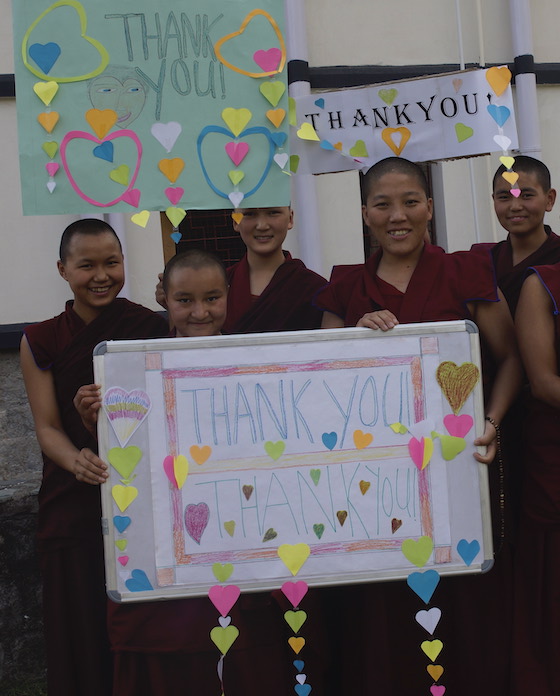
Tibetan Buddhist nuns holding thank you signs

Thank you for helping Tibetan Buddhist nuns with these important projects.

Tibetan Buddhist nuns’ food and delicious vegetarian recipes

Today we’re taking you behind the scenes to some of the Tibetan Buddhist nunneries supported through the Tibetan Nuns Project. You’ll see what the Tibetan Buddhist nuns eat and how they prepare their food.

Scroll down to the bottom of this post for delicious Tibetan vegetarian recipes.

Tibetan vegetarian recipes collage

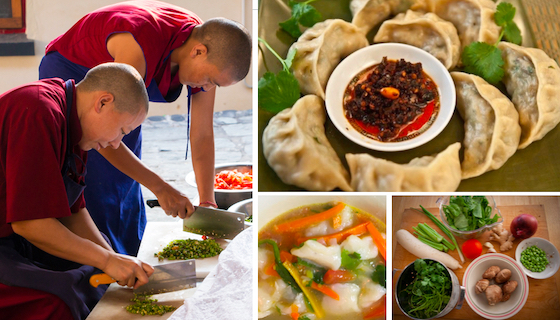
A collage of food photos from the Tibetan Buddhist nuns, including vegetarian Tibetan momos, top right. The photo on the left is courtesy of Dustin Kujawski. The photo of Tibetan momos in the top right is courtesy of YoWangdu.

The nunneries in India follow a simple vegetarian diet. The nuns’ diet is influenced by Indian food and local ingredients. With your support, their nutrition has greatly improved over the years.

Tibetan Buddhist nun checking rice

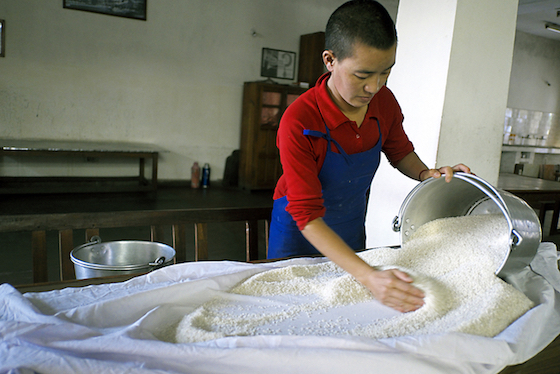
A nun on kitchen duty checks rice. Photo courtesy of Brian Harris

At Dolma Ling Nunnery and Institute, a typical breakfast might be a piece of flatbread, some cooked mixed vegetables, and tea. Lunch is the main meal of the day and is often rice, two kinds of vegetables, dal, and sometimes fruit. Dinner is often a noodle soup and maybe a steamed bun.

Tibetan Buddhist nuns cooking breakfast

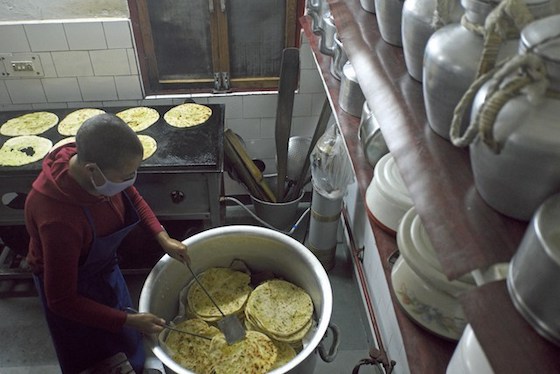
The nuns on kitchen duty at Dolma Ling Nunnery and Institute rise just past 3 a.m. to start preparing breakfast for the over 280 nuns and staff at the nunnery. In this photo by Brian Harris, a nun is making Indian-style flatbreads on a griddle.

vegetable storeroom at Dolma Ling Nunnery and Institute

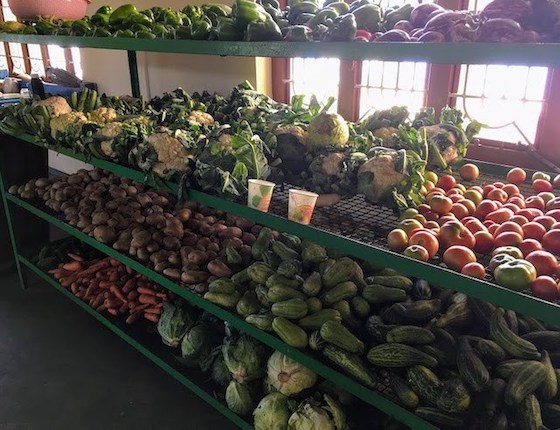
It takes a lot of vegetables to feed about 250 nuns. A few years ago, the kitchen at Dolma Ling was expanded and this new storage room was built. It is designed to keep birds and animals out and has a special chopping area.

For 2,500 years, since the time of the Buddha, it has been considered an act of merit to give food to monks and nuns. As Milarepa, the great Tibetan yogi and poet, said, “The practitioner and benefactor offering food create the cause to achieve enlightenment together.”

In the seven nunneries in northern India supported by the Tibetan Nuns Project, the nuns work together to prepare food for the entire nunnery. While the nunneries do their best to be self-sufficient, all of them are still heavily reliant for food support through our sponsorship program and through general donations.

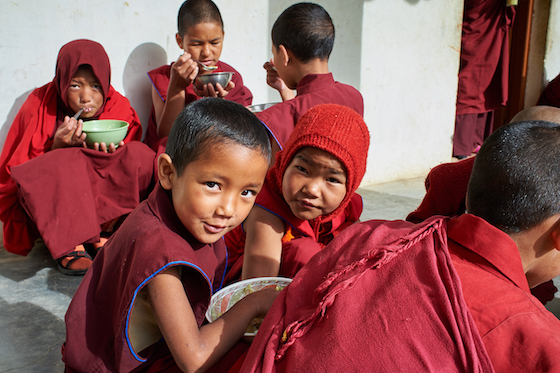
young Tibetan Buddhist nuns at Sherab Choeling Nunnery eating

Young nuns at Sherab Choeling Nunnery in Spiti sit in the warm sun and eat. The nunnery is located in the remote, high-altitude region of Spiti in northern India. Photo courtesy of Olivier Adam

Good health and nutrition are essential for the nuns to be able to study. The majority of nuns came to India as refugees from Tibet and most arrived destitute, malnourished, and ill. As refugees without their families and traditional communities to support them, they rely more than ever on the compassion and generosity of others. Providing the nuns with a steady supply of nutritious food makes a dramatic difference in the energy they are able to devote to their studies.

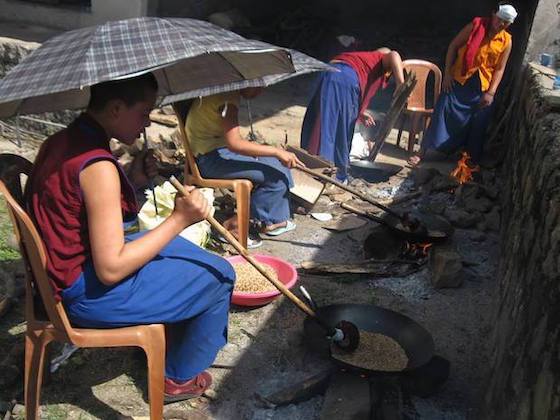
Tibetan-Buddhist-nuns-roasting-tsampa

Tibetan Buddhist nuns at Shugsep Nunnery and Institute roast barley to make tsampa, the staple food of the Tibetan people. Once roasted, the barley is ground into flour and mixed with Tibetan tea for a high-energy meal.

Food at Remote Nunneries

The nuns in remote nunneries, such as Sherab Choeling Nunnery in Spiti and Dorjee Zong in Zanskar, have difficult living conditions. These two nunneries are located in high-altitude, arid regions where the growing season is short. The nuns face long, harsh winters and must stock up on supplies of food and cooking fuel well before the onset of cold weather.

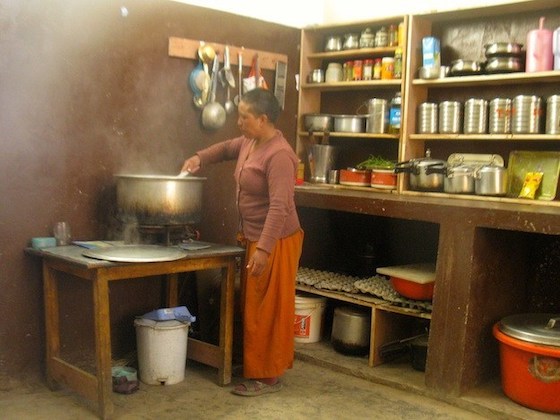
kitchen at Tibetan Buddhist nunnery Sherab Choeling

The simple kitchen at Sherab Choeling Nunnery is one of the warmest parts of the nunnery in winter. During the coldest months, the nuns hold their classes, prayers, and meetings in the kitchen because it is warmer and helps to save wood.

At Sherab Choeling Nunnery, the nuns work hard during the summer months to grow food for the long winter. During the summer, the nuns grow spinach, beans, peas, and wheat.

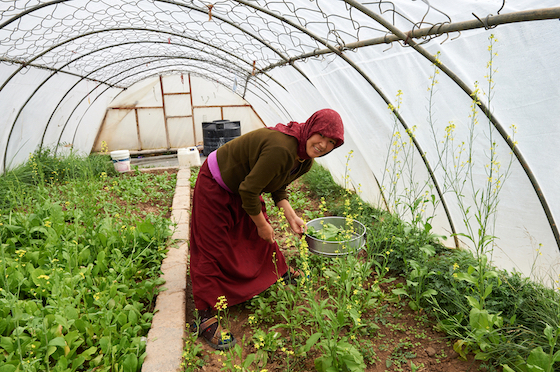
Tibetan Buddhist nun working in greenhouse in Spiti

The nuns at Sherab Choeling Nunnery in Indian Himalayas have three greenhouses where they mostly grow spinach. Photo courtesy of Olivier Adam.

Vegetarian Recipes

recipe for Tibetan noodle soup thenthuk

Tibetan noodle soup, thenthuk. This comfort food is a common noodle soup in Tibetan cuisine, especially in Amdo, Tibet.

Here are some recipes from past blog posts for typical dishes that the nuns eat.

Daughters of Buddha Etsy campaign with photographs of nuns

In November 2014, the acclaimed French photographer, Olivier Adam, set up a special Etsy shop, an online store called “Daughters of Buddha” dedicated to supporting the Tibetan Nuns Project.

The Daughters of Buddha online store sells fine art prints and postcards with 50% of the sales of all the articles sold going to Tibetan Nuns Project.

Olivier Adam has made available a large collection of stunning color photographs of the Tibetan Buddhist nuns, photographs of His Holiness the Dalai Lama and other inspiring spiritual images.

In this blog he shares some photos and answers some questions about his new campaign to support the nuns.

Q: Why did you start this Etsy campaign ?

A: On August 2014, an exhibition of my photographs “Tibetan Nuns – Resistance and Compassion” opened at the Museum für Völkerkunde in Hamburg, Germany. During the exhibition the museum has been selling postcards and fine art prints of my images. I had the idea to expand this opportunity in an online store to get a bigger audience for these wonderful nuns and to bring wider support to Tibetan Nuns Project. 

Olivier Adam and His Holiness the Dalai Lama

Photo of French photographer Olivier Adam showing his exhibition “”Tibetan Nuns – Resistance and Compassion” to His Holiness the Dalai Lama in August 2014 in Hamburg. Photo courtesy of Manuel Bauer.

The exhibition was visited and blessed by His Holiness the Dalai Lama during his teachings in Hamburg in August and has now been extended until February 2015. It was such a precious moment in my life to have a few minutes with His Holiness Dalai Lama to explain this long-term project. Continue reading